Ever felt your hands slip halfway up a climbing wall, ruining what could’ve been an epic ascent? Yeah, we’ve all been there.
Climbing isn’t just about strength—it’s also about having the right gear. And let me tell you something personal: I once skipped wearing grip gloves during an outdoor bouldering session, and guess what? My palms ended up looking like shredded beef jerky. Not ideal. In this blog post, we’ll explore how grip gloves for climbing can revolutionize your performance, protect your hands, and keep you safer on those challenging routes. You’ll learn why they matter, how to choose the best ones, tips for using them effectively, and some real-world examples from climbers who swear by them.
Table of Contents
- Why Grip Gloves Matter in Climbing
- How to Choose the Perfect Pair
- Best Practices When Using Grip Gloves
- Climbers Who Love Their Grip Gloves
- Frequently Asked Questions About Grip Gloves
Key Takeaways:
- Grip gloves enhance safety and comfort while climbing.
- Choosing the wrong material or fit can sabotage their effectiveness.
- Even elite climbers use grip gloves—don’t let ego get in the way!
Why Do Grip Gloves for Climbing Even Matter?
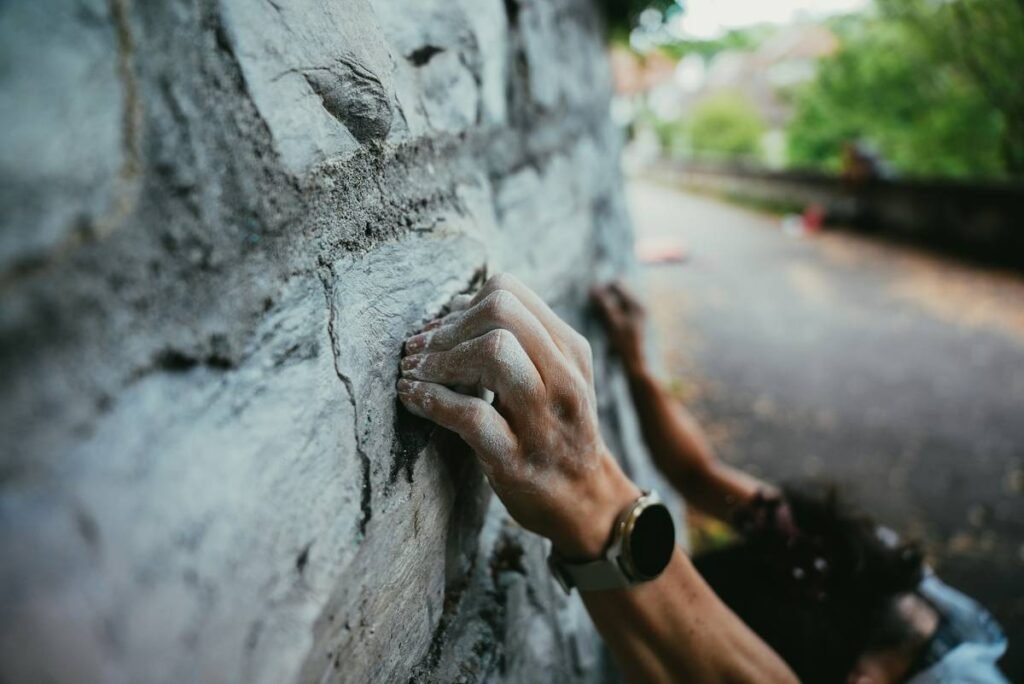
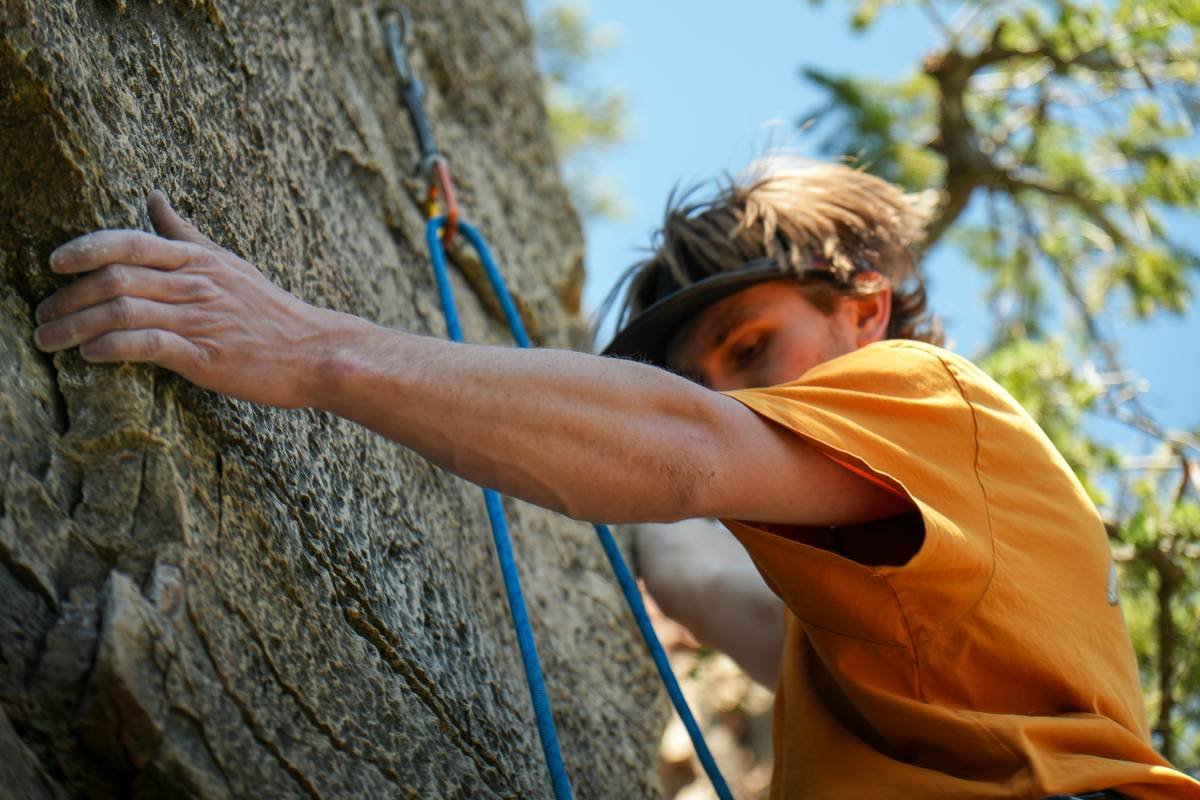
Picturing yourself scaling a steep rock face without gloves might sound hardcore—and sure, it looks cool—but trust me when I say blisters aren’t exactly Instagram-worthy. The primary purpose of grip gloves is simple: protect your skin and provide superior grip. Without them, rough surfaces and sweat-soaked palms will make every hold feel slippery AF.
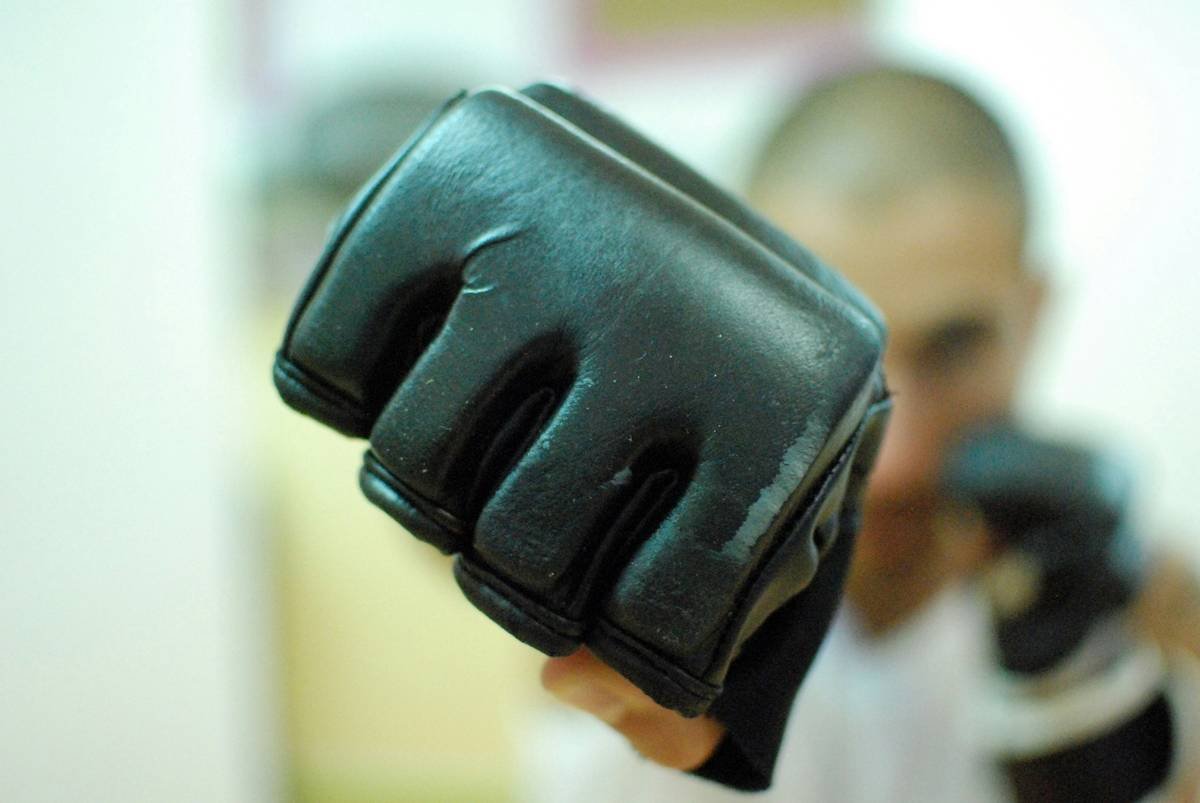
The stats back this up too: studies show that repetitive friction against abrasive materials (like rocks) increases the risk of cuts, calluses, and tears. If you’re serious about progressing as a climber, investing in quality grip gloves should be non-negotiable.
“Optimist You:” “These gloves will save my hands!”
Grumpy You: “Only if you buy the good ones, not cheap knockoffs.”
How to Choose the Best Grip Gloves for Climbing
Here’s where things get tricky: not all gloves are created equal. Just because something says “grip” doesn’t mean it actually helps. Follow these steps to find your perfect match:
Step 1: Prioritize Material Quality
Look for gloves made from durable yet flexible materials like synthetic leather or reinforced neoprene. Avoid thin fabric that feels flimsy—it won’t last long under pressure.
Step 2: Ensure Proper Fit
Tight-fitting gloves restrict movement; loose ones sacrifice grip security. Measure your hand size carefully before buying. Pro tip: Try them on first if possible!
Step 3: Check Breathability
No one wants sweaty palms mid-climb. Opt for gloves with mesh panels or ventilation holes to allow airflow—your hands will thank you later.
Terrible Tip: Don’t assume all waterproof gloves work well indoors. Trust me on this; I’ve tried cramming outdoor mountaineering gloves into indoor gyms—disaster city.
Expert Tips for Using Grip Gloves Effectively
- Avoid Overgripping: Let the gloves do their job—don’t crush holds unnecessarily.
- Maintain Cleanliness: Dirty gloves = reduced traction. Wipe them down after intense sessions.
- Rotate Pairs: Give each pair time to air out between uses. This prevents odor buildup (#nasty).
Rant Time:
I’m calling out climbers who think skipping gloves makes them tougher. Newsflash: Calloused hands don’t magically equal better skills. Protecting yourself means respecting your craft—and avoiding weeks of painful recovery afterward. Ugh.
Real Stories From Real Climbers
Jake S., Boulder Enthusiast: “I switched to high-quality grip gloves two years ago, and holy smokes—it’s changed everything! No more shredded palms, no more awkward pauses wiping sweat off grips.”
Lila T., Indoor Gym Lover: “Before I started using grip gloves, I’d struggle through routes because my hands felt raw. Now? Smooth sailing. They’re worth every penny.”
FAQs About Grip Gloves for Climbing
Do Grip Gloves Reduce Finger Strength?
Nope! While some worry gloves hinder connection to holds, modern designs maintain tactile sensitivity.
Can Beginners Benefit Too?
Absolutely! Everyone benefits from protecting their hands, especially early-stage climbers still building tolerance.
Are They Allowed at Competitions?
Generally, yes—though always double-check event rules beforehand.
Conclusion
In conclusion, grip gloves for climbing aren’t optional—they’re essential. Whether you’re battling jagged rocks outdoors or navigating sleek walls inside, these tiny tools play a massive role in keeping you safe and confident. So ditch the macho mindset, prioritize your health, and give your hands the love they deserve.
FYI: Grip gloves + caffeine = unbeatable climbing duo. Chef’s kiss.
Haiku Bonus:
Rock meets steady grip,
Hands stay strong, dreams climb higher,
Sky’s no longer the limit.