Ever felt your hands screaming after a grueling climbing session? Yeah, us too. It’s not just you—most climbers experience hand fatigue or even strain while recovering from intense workouts, injuries, or surgeries. What if we told you there’s a solution that blends protection and recovery seamlessly? Enter climbing gloves for hand recovery. In this post, we’ll dive deep into why these gloves are game-changers, how to pick the best ones, and what mistakes to avoid like the plague.
Table of Contents
- Why Climbing Gloves Matter for Hand Recovery
- Step-by-Step Guide to Choosing the Right Gloves
- Tips & Best Practices for Using Recovery Gloves
- Real-Life Examples of Climbers Who Benefitted
- Frequently Asked Questions About Climbing Gloves
Key Takeaways
- Climbing gloves can significantly aid in hand recovery by providing support without restricting movement.
- Not all gloves are created equal—choose ones designed specifically for recovery purposes.
- Avoid common pitfalls like buying based on aesthetics alone or skipping proper fit checks.
- Pair gloves with other recovery techniques like stretching and icing for optimal results.
Why Climbing Gloves Matter for Hand Recovery
Picture this: I once came back to climbing after a wrist injury, thinking I was invincible (spoiler alert: I wasn’t). My hands were swollen, my tendons screamed every time I made a fist, and frankly, it felt like trying to grip barbed wire. That’s when I discovered the magic of climbing gloves for hand recovery. They’re not just accessories; they’re lifelines for anyone serious about healing their hands properly.
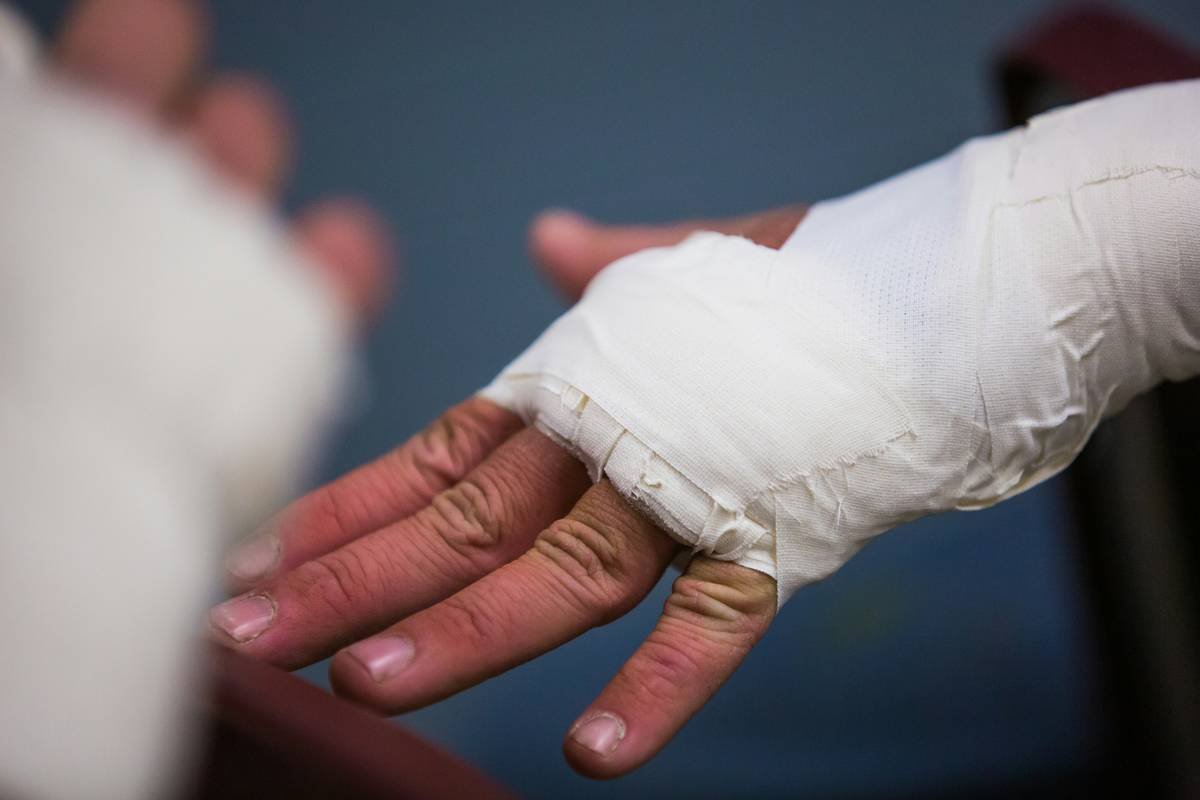
Here’s why they matter:
- Support Without Sacrifice: These gloves provide structure to your fingers and palms, protecting delicate tissues as you heal.
- Pain Reduction: Compression technology reduces inflammation, making them perfect for post-surgery rehab or overuse injuries.
- Mobility Retention: Unlike rigid splints, recovery gloves allow minimal movement so your muscles don’t atrophy while healing.
“Optimist You:* ‘These gloves will save my climbing career!’
Grumpy You: ‘Yeah, right…as long as they don’t start smelling weird first.'”
Step-by-Step Guide to Choosing the Right Gloves
Step 1: Assess Your Injury Level
Are you dealing with mild soreness or severe tendonitis? Different gloves cater to varying degrees of recovery needs. For light discomfort, go for thinner compression designs. For more serious issues, opt for thicker materials with added padding.
Step 2: Check Material Quality
The last thing you want is cheap fabric fraying mid-use. Look for gloves made from breathable, durable materials like neoprene or spandex blends. Trust me—I learned the hard way when my bargain-bin pair fell apart within weeks!
Step 3: Prioritize Fit and Comfort
Too tight? You’ll cut off circulation. Too loose? No support. Measure your hand size carefully before purchasing. Pro tip: Try them on if possible (or check return policies).
Tips & Best Practices for Using Recovery Gloves
- Wear Them Consistently: Don’t skip days unless advised by a physical therapist. Consistency is key to speeding up recovery.
- Clean Regularly: Let’s be real—sweaty gloves smell terrible. Wash them weekly to keep bacteria at bay.
- Avoid Overuse: Yes, gloves help—but they aren’t miracle workers. Rest days are still crucial for full recovery.
- Rant Moment: Stop ignoring sizing charts! Nothing drives me crazier than seeing people squeeze into gloves two sizes too small because “they looked cool.”
Real-Life Examples of Climbers Who Benefitted
Meet Sarah, an avid climber who fractured her finger mid-route. After surgery, she swore by her recovery gloves, crediting them for helping her regain strength faster than expected. Or take Alex, whose chronic arthritis flared up during training seasons until he found gloves that provided consistent warmth and compression.
Sound familiar? These stories prove one thing: investing in the right gear pays off big-time.
Frequently Asked Questions About Climbing Gloves
Do climbing gloves actually work?
Yes, but only if used correctly. Follow your healthcare provider’s guidelines and combine gloves with exercises tailored to your condition.
How much should I spend on climbing gloves?
$30-$60 is reasonable for quality recovery gloves. Anything cheaper might lack durability, while higher-end options often include unnecessary bells and whistles.
Can I wear these outside of climbing?
Absolutely. Many climbers use them for daily activities like typing or driving to maintain comfort throughout the day.
Conclusion
Incorporating climbing gloves for hand recovery into your routine isn’t just smart—it’s essential for anyone serious about longevity in their climbing journey. Remember to choose wisely, wear consistently, and never underestimate the power of a good clean. And hey, if nothing else sticks, at least you now know not to buy gloves purely because they look cool. 😉
Like a Tamagotchi, your hand recovery needs daily care. Treat it well, and it’ll reward you with years of pain-free climbing ahead.