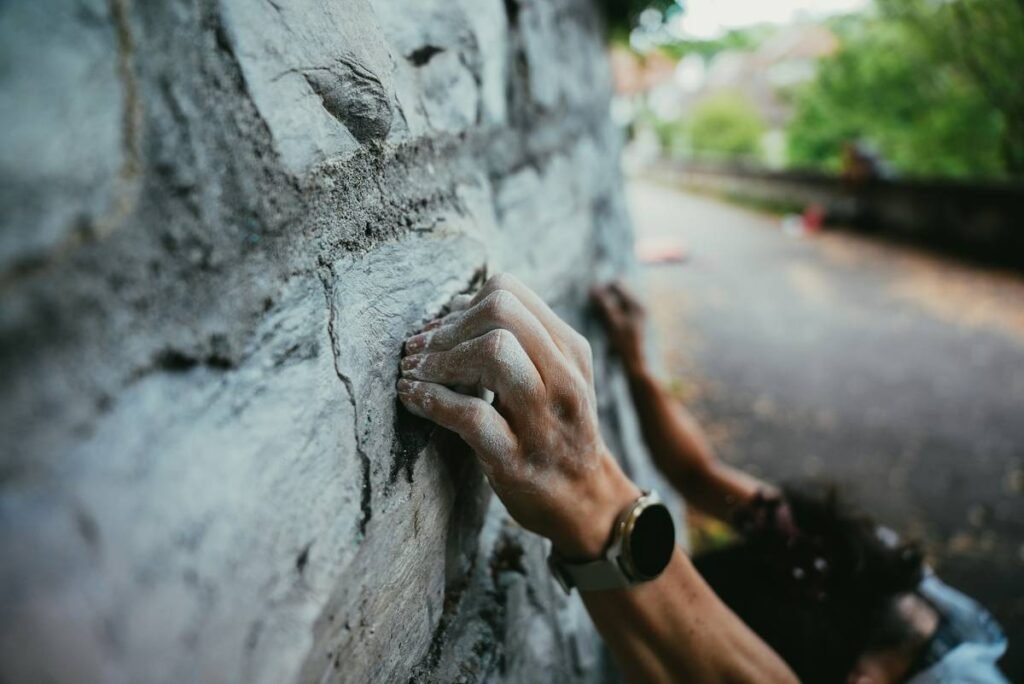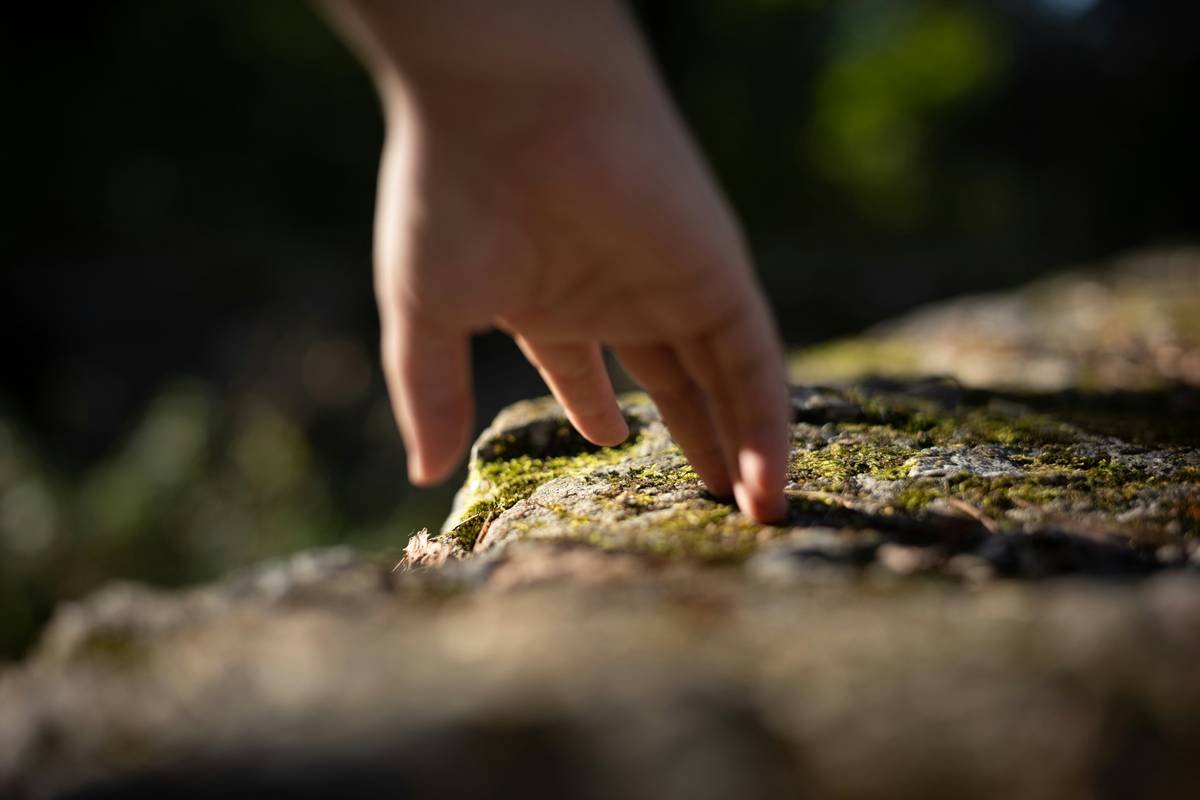
Hook: Have you ever felt that gut-wrenching moment when your grip slips and you almost fall? Yeah, we’ve all been there. But what if I told you there’s a simple solution to prevent those near-misses?
Purpose: In this post, we’ll dive into why grip gloves are essential for injury prevention in climbing. You’ll learn how to choose the right gloves, maintain them, and even some tips on improving your overall safety.
Preview: You’ll discover the importance of grip gloves, step-by-step instructions on selecting the best ones, and maintenance tips to keep them in top shape. Plus, we’ll share some success stories and answer common FAQs.
Table of Contents
- Key Takeaways
- Why Grip Gloves Are Important for Injury Prevention
- Step-by-Step Guide: Choosing the Right Grip Gloves
- Tips and Best Practices for Maintaining Your Grip Gloves
- Examples and Case Studies
- FAQs
- Conclusion
Key Takeaways
- Grip gloves play a crucial role in preventing injuries during climbing.
- Choosing the right gloves involves considering factors like material, fit, and durability.
- Maintaining your gloves is key to ensuring they last and continue to provide the necessary protection.
- Real-world examples show how grip gloves have made a significant difference in climbers’ safety.
Why Grip Gloves Are Important for Injury Prevention
Imagine you’re halfway up a challenging route, and your hands start to slip. It’s not just about the physical pain; it’s the mental toll, too. Grip gloves for injury prevention are like a safety net for your hands. They provide the extra traction you need to stay secure and reduce the risk of falls and other injuries.
Optimist You:* “With the right grip gloves, you can climb with confidence!”
Grumpy You: “Yeah, but let’s be real—falling still sucks. Coffee helps, though.”
Image Suggestion: Infographic showing the benefits of grip gloves (alt text: “Infographic detailing the advantages of using grip gloves for injury prevention in climbing”).
Step-by-Step Guide: Choosing the Right Grip Gloves
What Materials to Look For
Opt for materials that offer a good balance between grip and breathability. Leather and synthetic fabrics are popular choices. Leather provides excellent grip and durability, while synthetic materials are lightweight and quick-drying.
Finding the Perfect Fit
Your gloves should fit snugly without being too tight. A good fit ensures that there’s no slipping and sliding, which can lead to blisters and hot spots. Try on different sizes and styles to find the one that feels just right.
Durability Matters
Climbing gloves go through a lot of wear and tear. Invest in a pair that can withstand the punishment. Look for reinforced palms and fingers, and read reviews to see how well they hold up over time.
Optimist You:* “Finding the right gloves is like finding the perfect climbing partner!”
Grumpy You: “Ugh, and we know how hard that is. But at least the gloves don’t argue.”
Image Suggestion: Screenshot of different types of grip gloves (alt text: “Comparison of various grip gloves with their pros and cons”).
Tips and Best Practices for Maintaining Your Grip Gloves
- Keep them clean: Regularly cleaning your gloves can help remove dirt and sweat, which can degrade the material over time.
- Dry them properly: After cleaning, make sure to dry your gloves thoroughly. Damp gloves can become a breeding ground for bacteria.
- Store them carefully: When not in use, store your gloves in a cool, dry place. Avoid leaving them in direct sunlight or extreme temperatures.
Optimist You:* “Taking care of your gloves means they’ll take care of you!”
Grumpy You: “Fine, but only if I get to watch Netflix while they dry. Deal?”
Image Suggestion: Comparison table of free vs. paid maintenance products (alt text: “Comparison table of free and paid options for maintaining grip gloves”).
Examples and Case Studies
Let’s take a look at some real-world examples where grip gloves have made a significant difference:
- Case Study 1: Sarah, an experienced climber, was struggling with frequent hand slippages. After switching to a high-quality pair of grip gloves, she noticed a significant improvement in her performance and safety.
- Case Study 2: John, a beginner, was hesitant to invest in gloves. After a close call, he decided to try a pair. The added grip and protection gave him the confidence to tackle more challenging routes.
Optimist You:* “It’s amazing how much a little extra grip can change your climbing experience!”
Grumpy You: “Yeah, yeah, but let’s not forget the bruises. Those stay with you, man.”
Image Suggestion: Before/after screenshots of a climber’s improved safety and performance (alt text: “Before and after comparison of a climber’s safety and performance with and without grip gloves”).
FAQs
Q: Are grip gloves really necessary for climbing?
A: Absolutely! Grip gloves provide the extra traction you need to stay secure on the rock, reducing the risk of hand slippages and falls.
Q: How often should I replace my grip gloves?
A: This depends on how frequently you climb and the quality of the gloves. Generally, if you notice any significant wear and tear, it’s time for a new pair.
Q: Can I use regular gloves for climbing?
A: While you can, regular gloves may not provide the same level of grip and protection as specialized grip gloves. It’s always better to invest in a pair designed for climbing.
Conclusion
Grip gloves for injury prevention are a game-changer for climbers. By choosing the right gloves, maintaining them properly, and understanding their importance, you can significantly enhance your safety and performance. So, next time you’re gearing up for a climb, make sure those grip gloves are part of your kit. Happy climbing!
Haiku:
Hands grip the rough stone,
Safety in every finger,
Climb with peace of mind.