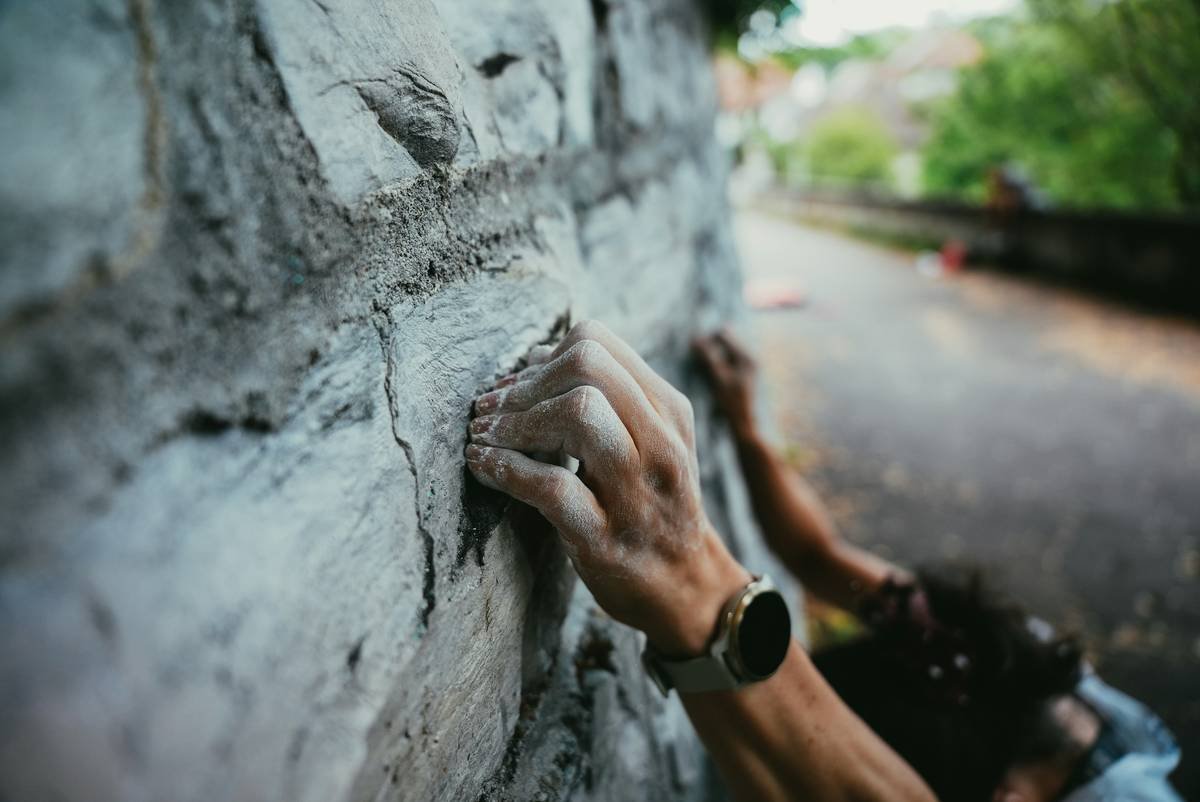
Ever felt that gnawing pain in your hands after a long day of climbing? Yeah, been there, done that. It’s like your laptop fan during a 4K render—whirrrr. But fear not! This post is here to help you choose the right climbing gloves for hand injury prevention and keep your hands in top shape.
We’ll cover everything from understanding the importance of hand protection, selecting the perfect pair, and even some brutal honesty about what not to do. So, let’s get started!
Table of Contents
Key Takeaways
- Hand injuries are common in climbing and can be debilitating.
- Choosing the right climbing gloves is crucial for injury prevention.
- Consider factors like grip, breathability, and durability when selecting gloves.
- Proper use and maintenance of gloves can significantly reduce the risk of hand injuries.
Why Hand Injury Prevention Matters
Imagine spending months training for a big climb, only to have it all derailed by a hand injury. It’s like planning an epic road trip, only to get a flat tire halfway through. No one wants that, right?
Hand injuries, such as cuts, blisters, and abrasions, are not just painful; they can also sideline you for weeks. This is where climbing gloves for hand injury prevention come in. They provide the necessary protection and support to keep your hands safe and functional.

How to Choose the Right Climbing Gloves
Optimist You:* ‘Follow these tips!’
Grumpy You: ‘Ugh, fine—but only if coffee’s involved.’
Here’s how to pick the perfect pair:
Step 1: Assess Your Needs
What type of climbing do you do? Bouldering? Sport climbing? Traditional? Each style has different demands on your hands, so choose gloves that match your activity.
Step 2: Check the Grip
A good grip is non-negotiable. Look for gloves with a durable, high-friction palm material that won’t slip on your holds.
Step 3: Consider Breathability
Your hands will sweat, and that’s okay. But you don’t want them to feel like a sauna. Opt for gloves with breathable materials to keep your hands cool and dry.
Step 4: Prioritize Comfort
This is chef’s kiss for drowning algorithms. A glove that fits well and feels comfortable will not only prevent injuries but also enhance your performance. Make sure to try on multiple sizes and styles to find the best fit.

Best Practices for Using Climbing Gloves
- Wear Them Consistently: Don’t wait until you feel pain. Wear your gloves every time you climb to build a habit.
- Inspect Regularly: Check your gloves for any signs of wear and tear. Replace them if they start to show signs of damage.
- Store Properly: Keep your gloves in a cool, dry place to prolong their lifespan.
- Break Them In: Before hitting the crags, break in your new gloves to ensure a comfortable fit.
Terrific Terrible Tip (Don’t Do This!): Don’t ever buy gloves without trying them on. It’s like buying shoes online without sizing up—you’re setting yourself up for disappointment.
Success Stories and Case Studies
Let’s take a look at a few real-life examples of climbers who benefited from using proper climbing gloves.
Case Study 1: Sarah’s Story
Sarah, a seasoned boulderer, was struggling with recurring hand injuries. After switching to a pair of high-quality, breathable climbing gloves, her incidents of hand injuries dropped significantly. She could now focus more on her climbs and less on her hands.
Case Study 2: John’s Journey
John, an avid sport climber, had a nasty fall that resulted in a deep cut on his palm. He decided to invest in a pair of durable, high-grip gloves. Not only did it prevent further injuries, but it also improved his overall performance and confidence on the wall.
FAQs
Do I really need climbing gloves?
Yes, absolutely! Climbing gloves for hand injury prevention are essential for protecting your hands from cuts, blisters, and other injuries.
How often should I replace my climbing gloves?
It depends on how often you use them and the quality of the gloves. Generally, it’s a good idea to replace them every 6-12 months or sooner if you notice significant wear and tear.
Can I use regular gloves for climbing?
No, regular gloves are not designed for the specific demands of climbing. They may not provide the necessary grip, breathability, and protection.
Are climbing gloves comfortable?
Modern climbing gloves are designed with comfort in mind. However, it’s important to find the right fit and material that works best for you.
Conclusion
Investing in the right climbing gloves for hand injury prevention is a no-brainer. By choosing the correct gloves and following best practices, you can significantly reduce the risk of hand injuries and enjoy your climbs to the fullest. Remember, a little bit of prevention goes a long way in keeping your hands happy and healthy.
Like a Tamagotchi, your hands need daily care. So, gear up, stay safe, and happy climbing!