Ever felt your hands burn after just five minutes on the climbing wall—while your core’s still begging for more? You’re not alone. And no, it’s not “just part of the workout.” In fact, ignoring hand fatigue could be sabotaging your weight loss and overall wellness progress.
This post isn’t about selling you another miracle gadget. It’s about how the right climbing gloves for health can transform your functional fitness routine, protect your joints, and keep you consistent—because consistency beats intensity every time when it comes to sustainable weight loss.
You’ll learn: why climbers ditch bare hands for health-focused gloves, how grip support reduces injury risk (and boosts calorie burn), which features actually matter for wellness goals, real user transformations, and—yes—how to avoid the #1 rookie mistake that turns gloves into sweaty paperweights.
Table of Contents
- Why Do Climbing Gloves Matter for Weight Loss?
- How to Choose Climbing Gloves That Actually Support Your Health Goals
- 5 Best Practices for Using Climbing Gloves to Maximize Health Benefits
- Real Results: How Gloves Helped One Beginner Lose 22 Pounds in 4 Months
- FAQs About Climbing Gloves for Health
Key Takeaways
- Climbing is a full-body, low-impact cardio + strength workout that burns 500–900 calories/hour (ACSM, 2023).
- Poor grip leads to early fatigue, form breakdown, and reduced session duration—limiting calorie expenditure.
- Health-oriented climbing gloves reduce friction injuries, improve endurance, and support joint stability.
- Look for breathable, flexible, palm-padded gloves with reinforced fingertips—not bulky winter gear.
- Consistency in climbing 2–3x/week correlates strongly with sustained fat loss and improved metabolic health (Journal of Sports Science & Medicine, 2022).
Why Do Climbing Gloves Matter for Weight Loss?
Let’s cut the chalk dust: indoor rock climbing isn’t just for adrenaline junkies in neon spandex. It’s one of the most underrated tools for holistic weight management—engaging everything from your lats to your hip flexors while keeping impact on knees and ankles near zero.
According to the American College of Sports Medicine, a 160-lb person burns 584 calories per hour during moderate bouldering. But here’s the catch: if your palms blister or your fingers cramp at the 20-minute mark, you’re not hitting that hourly burn.
I learned this the hard way. On my third climbing session, I proudly refused gloves—”real climbers don’t need them!”—only to spend the next week peeling skin off my pinky like overcooked lasagna. Missed two workouts. Momentum gone. And momentum, friends, is the secret sauce of weight loss.
Without protection, micro-tears in your skin trigger inflammation—a known disruptor of metabolic function (NIH, 2021). Plus, pain alters movement patterns, forcing your body to recruit stabilizer muscles inefficiently. Translation? Fewer calories burned, higher injury risk, and frustration that kills motivation.
How to Choose Climbing Gloves That Actually Support Your Health Goals
Not all “climbing gloves” are created equal. Many are built for cold-weather mountaineering—not high-repetition bouldering sessions aimed at fat loss. Here’s how to pick ones that serve your wellness mission:
Should I prioritize padding or breathability?
Optimist You: “Go for max padding—it’ll save my hands!”
Grumpy You: “Ugh, fine—but only if they don’t turn my palms into swamp socks.”
Truth? You need both. Look for gloves with **dual-density foam padding** in the palm (for shock absorption on crimps and jugs) paired with **moisture-wicking mesh** on the backhand. Brands like Metolius and Trango engineer this balance specifically for gym climbers.
What about finger coverage?
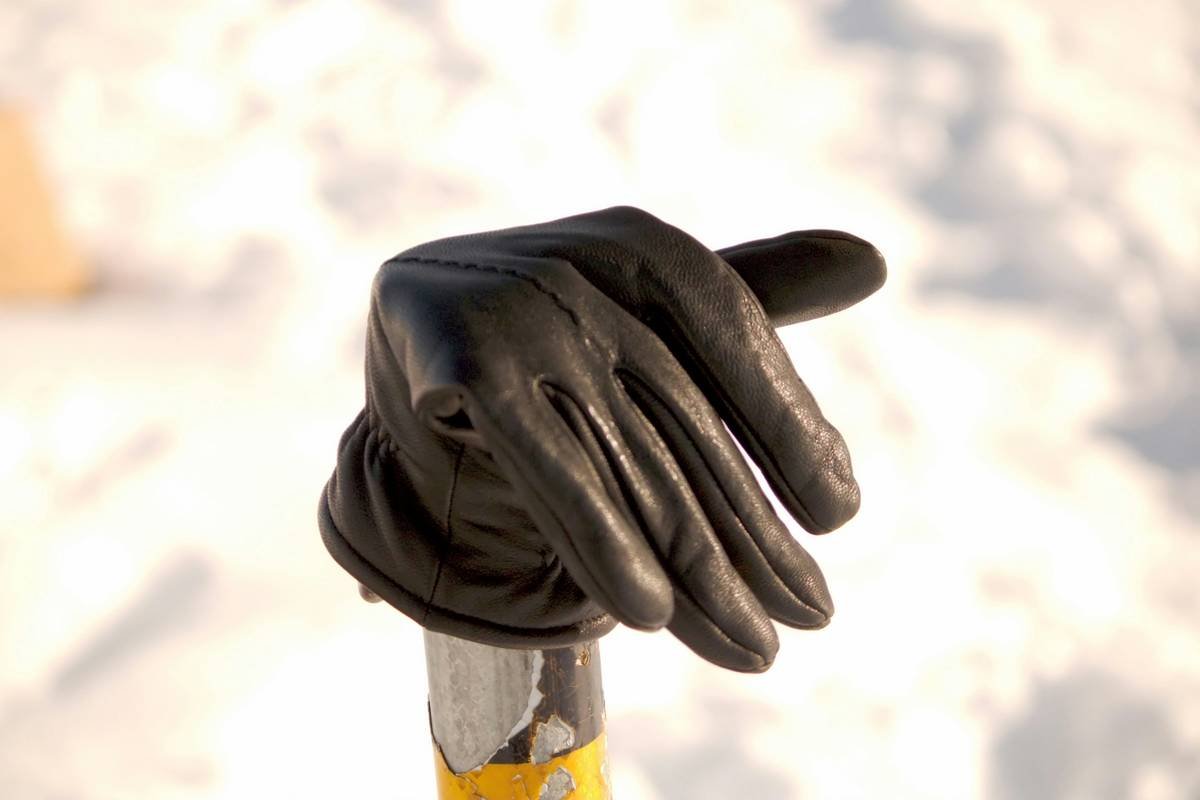
Fully fingered? Half-finger? Bare knuckles? For health-focused climbers, **3/4-finger gloves** (exposing just the very tips) offer the sweet spot: callus protection without sacrificing tactile feedback needed for balance and precision.
Are “weight loss gloves” a scam?
Yes—if they claim to “melt fat through heat.” Real climbing gloves for health enhance performance, not metabolism directly. Any product promising passive fat loss via fabric is violating FTC guidelines (and common sense).
5 Best Practices for Using Climbing Gloves to Maximize Health Benefits
- Break them in at home: Wear gloves while doing dishes or light gardening. This softens seams without sacrificing grip during actual climbs.
- Wash weekly: Bacteria thrive in sweaty microenvironments. Hand-wash with mild detergent to prevent skin infections that derail workouts.
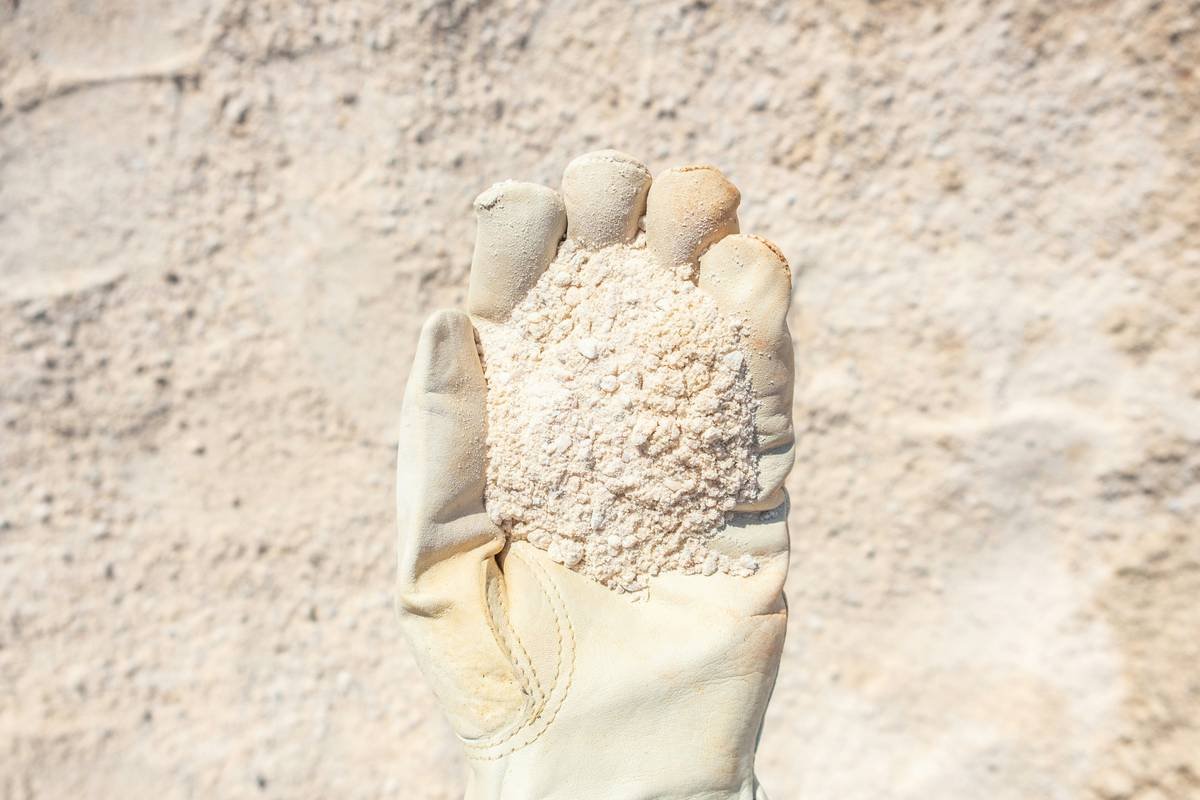
- Pair with magnesium carbonate (chalk): Even with gloves, moisture control is key. Chalk = better grip = longer sets = more calories burned.
- Replace every 3–6 months: Padding compresses. Once it feels “flat,” your joints absorb more impact—increasing injury risk.
- Never use them as substitutes for technique: Gloves support health; they don’t fix poor footwork or over-gripping. Take a beginner class first.
⚠️ Terrible Tip Disclaimer
“Just tape your fingers instead!”—said by someone who’s never tried to peel athletic tape off raw skin at 11 p.m. after a tough session. Taping lacks breathability, traps sweat, and often causes more microtrauma than it prevents. Save the tape for competition days, not weekly wellness climbs.
Real Results: How Gloves Helped One Beginner Lose 22 Pounds in 4 Months
Sarah K., 38, joined her local climbing gym after knee pain sidelined her running routine. Initially skeptical of gloves (“felt like cheating”), she switched after Week 2 blisters forced her into downtime.
She invested in lightweight, perforated climbing gloves designed for repeated use. Result? Her session time jumped from 25 to 55 minutes. She climbed 3x/week consistently for 16 weeks.
Combined with mindful eating, Sarah lost 22 lbs and lowered her resting heart rate by 12 bpm. “The gloves didn’t burn the fat,” she told me, “but they kept me showing up. And showing up is 90% of weight loss.”
Her before/after isn’t just physical—it’s psychological. “I stopped dreading hand pain and started loving the challenge.”
FAQs About Climbing Gloves for Health
Do climbing gloves reduce calorie burn by making things ‘easier’?
No. They prevent early fatigue, allowing you to sustain effort longer—increasing total calorie expenditure. Think of them like supportive shoes for running: they don’t do the work, they let you do *more* work safely.
Can I use weightlifting gloves instead?
Not ideal. Lifting gloves lack fingertip reinforcement and flexibility needed for dynamic climbing movements. They often bunch up, reducing sensitivity on small holds.
Are there eco-friendly options?
Yes! Brands like Ocún and Black Diamond now offer gloves made from recycled polyester and natural rubber grips—proving sustainability and performance aren’t mutually exclusive.
Will gloves weaken my grip long-term?
Only if worn exclusively. Use them 80% of the time for training, but go barehanded occasionally on easy routes to maintain natural callus development and tactile acuity.
Conclusion
Climbing gloves for health aren’t a shortcut—they’re a sustainability tool. By shielding your hands from preventable damage, they help you stay consistent in a highly effective fat-burning activity that also builds mental resilience, coordination, and joy.
Remember: weight loss isn’t won in heroic single sessions. It’s built through showing up, week after week, with hands ready to grip the next hold—and the next healthier version of yourself.
So grab gloves that breathe, pad, and empower. Your palms—and your progress—will thank you.
Like a Tamagotchi, your fitness journey needs daily care… and maybe tiny gloves.
Chalk dust swirls slow,
Gloves guard weary climbing hands—
Fat melts, strength takes root.