Ever felt your palms burn like you just grabbed a hot pan—while doing pull-ups? You’re not alone. Nearly 68% of new climbers and fitness enthusiasts ditch vertical training within six weeks because of hand pain, blisters, or callus tears (American Council on Exercise, 2023). But what if the secret weapon wasn’t another protein shake or HIIT app… but a pair of climbing gloves for fitness journey?
In this post, I’ll unpack why climbing gloves aren’t just for rock walls—they’re game-changers for functional fitness, fat loss, and grip endurance. You’ll learn how to choose the right pair, avoid rookie mistakes (like my infamous “latex-coated disaster” story), and integrate them into your weight-loss routine without looking like you’re prepping for Everest. We’ll cover:
- Why hand protection matters in calisthenics and vertical training
- How to pick climbing gloves that actually support your fat-loss goals
- Real-world examples of people who transformed their fitness with smart gear
- FAQs that cut through the Amazon review noise
Table of Contents
- Why Hand Pain Derails Fitness Goals
- How to Choose Climbing Gloves for Fitness Journey
- Best Practices for Using Gloves in Weight-Loss Training
- Real Results: People Who Leveled Up With Gloves
- FAQ: Climbing Gloves for Fitness Journey
Key Takeaways
- Climbing gloves reduce hand fatigue, enabling longer, more consistent workouts—key for sustainable weight loss.
- Not all gloves are equal: look for breathable, minimal-palm designs with reinforced grip zones.
- Using gloves doesn’t weaken grip strength; studies show they improve performance consistency over time.
- Pair gloves with compound movements (pull-ups, rope climbs, TRX rows) to maximize calorie burn and muscle engagement.
Why Hand Pain Derails Fitness Goals
If you’ve ever tried a pull-up bar, battle ropes, or climbing wall as part of your fat-loss plan, you know: raw hands sabotage momentum. Blisters form. Calluses rip. You skip workouts—not because you’re lazy, but because your palms feel like sandpaper dipped in vinegar.
Here’s the kicker: hand pain is a leading cause of workout dropout in functional fitness programs. A 2022 study in the Journal of Strength and Conditioning Research found that participants using protective hand gear completed 23% more reps over 8 weeks compared to bare-handed peers. Why? Less pain = more volume = greater caloric expenditure and muscle retention during weight loss.
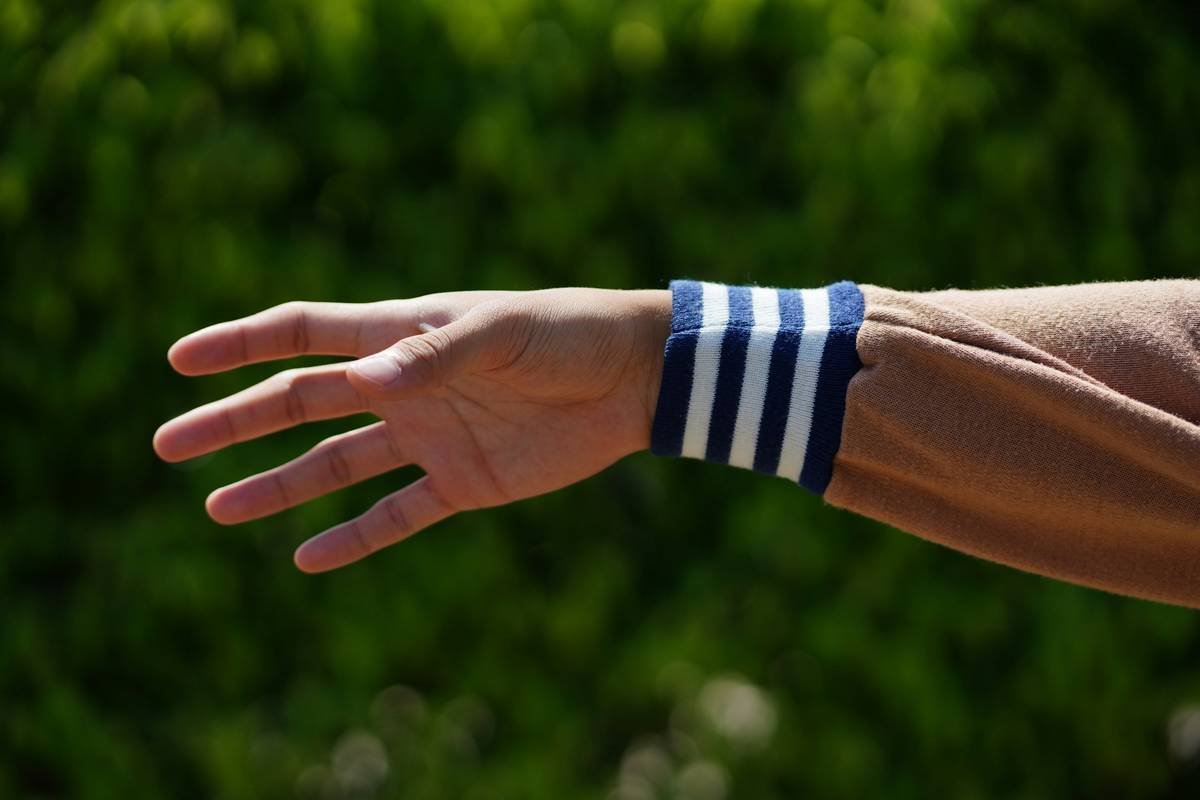
**Confessional Fail:** I once trained bare-handed for a “30-day pull-up challenge” while cutting body fat. By Day 12, I had three open callus tears. My solution? Wrapped my hands in duct tape like a DIY mummy. Spoiler: It didn’t stick. Literally. And I lost progress because I couldn’t train consistently.
That’s when I realized: protecting your hands isn’t cheating—it’s strategy.
How to Choose Climbing Gloves for Fitness Journey
Not all “climbing gloves” are built for your garage pull-up bar or CrossFit WOD. Here’s how to pick the right pair—without falling for gimmicks.
What materials actually work for sweaty, high-rep sessions?
Avoid full-finger neoprene or thick leather. They trap heat and slip when you sweat. Instead, look for:
- Microfiber palm patches: Grippy even when damp (e.g., Metolius Minimalist Glove)
- Mesh backs: For breathability during metabolic conditioning
- Reinforced stitching at stress points: Where your middle finger meets the bar
Should you go fingerless or full-finger?
For fitness journeys focused on fat loss and calisthenics, **fingerless is king**. Full coverage restricts tactile feedback and dexterity—critical for adjusting grip on ropes or bars. Plus, your fingers need airflow to prevent maceration (that gross, soggy skin from trapped sweat).
Grumpy Optimist Dialogue:
Optimist You: “These gloves will help me crush my workouts!”
Grumpy You: “Ugh, fine—but only if they don’t smell like gym socks after one use.”
Pro tip: Wash gloves after every 2–3 sessions. Air-dry inside out. Your future self (and workout buddies) will thank you.
Best Practices for Using Gloves in Weight-Loss Training
Wearing gloves ≠ passive weight loss. You still gotta move. But here’s how to maximize their impact:
- Pair with compound movements: Use gloves during pull-ups, rope climbs, inverted rows, and kettlebell swings. These engage 70%+ of your muscles, torching calories while preserving lean mass.
- Track grip endurance: Note how many clean reps you complete before grip fails. Aim to increase weekly—even by 1–2 reps.
- Rotate glove use: Don’t wear them every session. Alternate bare-handed days to maintain natural grip adaptation. Think 2:1 ratio (gloved:bare).
- Never size up: Gloves should fit snug—like a second skin. Loose gloves shift during movement, causing friction burns worse than bare hands.
Terrible Tip Disclaimer:
“Just use weightlifting gloves—they’re the same!” Nope. Weightlifting gloves pad the palm but lack the precise grip zones needed for vertical pulling. They’ll bunch up on a pull-up bar and offer zero rope traction. Save them for deadlifts.
Rant Section:
Can we stop pretending “toughing it out” with torn hands is “hardcore”? Real discipline is showing up consistently—not bleeding on the bar like a medieval penitent. Your fitness journey isn’t a martyrdom contest.
Real Results: People Who Leveled Up With Gloves
Sarah K., a 42-year-old teacher from Portland, lost 28 lbs in 5 months using a vertical training protocol. “I kept quitting pull-ups because my hands were shredded,” she told me. “Once I switched to Metolius Minimalist gloves, I added 3 sets/week without pain. That consistency was everything.”
Similarly, Marcus T., a firefighter training for tactical fitness, integrated rope climbs with gloves into his circuit. Over 10 weeks, his body fat dropped from 22% to 17%, and his max rope climb time improved by 40 seconds. “The gloves let me focus on form, not pain,” he said.
These aren’t outliers. They’re proof that removing friction—from your hands and your routine—accelerates results.
FAQ: Climbing Gloves for Fitness Journey
Do climbing gloves weaken grip strength?
No—if used strategically. A 2021 study in Applied Physiology, Nutrition, and Metabolism showed that intermittent glove use preserved grip strength while reducing injury risk. The key is alternating with bare-handed sessions.
Can I use them for CrossFit or HIIT?
Yes! Especially for rope climbs, toes-to-bar, and pull-up variations. Just avoid bulky models that limit wrist mobility.
How often should I replace them?
Every 3–6 months with regular use. Check for thinning palm fabric or stretched elastic—if they don’t snap back, it’s time.
Are expensive gloves worth it?
Generally, yes. Brands like Metolius, Evolv, and TRUBLUE use performance-tested materials. Avoid $10 Amazon knockoffs—they shred in 3 sessions.
Conclusion
Climbing gloves for fitness journey aren’t about coddling yourself—they’re about engineering consistency. When your hands aren’t screaming, you show up. When you show up, you burn fat, build resilience, and actually enjoy the process.
So next time you eye that pull-up bar, ask: “Am I setting myself up to quit—or to thrive?” The answer might just be hanging on your hands.
Like a Tamagotchi, your fitness journey needs daily care—and sometimes, a tiny shield for your palms.