Ever looked down at your hands after a month of bouldering and thought, “Wait… are these the same hands that used to fumble with jar lids?” You’re not imagining it. Climbing doesn’t just burn calories—it reshapes your hands, builds tendon resilience, and can even improve grip strength linked to longevity (more on that in a sec). But here’s the kicker: without the right gear—especially climbing gloves for hand transformation—you might be sabotaging your progress with blisters, callus tears, or imbalanced muscle development.
In this post, you’ll discover how purpose-built climbing gloves accelerate functional hand health, why generic workout gloves fall short, and exactly which features to prioritize if you’re serious about transforming your hands through vertical fitness. We’ll break down real-world use cases, bust myths (yes, “toughing it out” bare-handed isn’t always better), and share pro tips from physiotherapists and veteran climbers alike.
Table of Contents
- Why Hand Transformation Matters in Weight Loss & Wellness
- How to Choose Climbing Gloves That Actually Transform Your Hands
- 5 Best Practices for Using Climbing Gloves to Maximize Hand Health
- Real Results: How Climbers Transformed Their Hands (and Health)
- FAQs About Climbing Gloves for Hand Transformation
Key Takeaways
- Grip strength is a clinically validated predictor of all-cause mortality—stronger hands = longer life (Lancet, 2018).
- Proper climbing gloves reduce friction injuries while promoting balanced finger flexor/extensor development.
- Not all “climbing gloves” support hand transformation—look for split-finger designs, breathable palm padding, and wrist stabilization.
- Used correctly, gloves can complement—not replace—skin conditioning and mobility work.
Why Hand Transformation Matters in Weight Loss & Wellness
Let’s be real: when you start your weight loss journey, you’re probably not thinking about your hands. But here’s what most wellness blogs won’t tell you—your hands are metabolic powerhouses. Every pull-up, dead hang, or crimp hold engages over 30 muscles per hand, torching calories while fortifying connective tissue. And according to a landmark 2018 Lancet study tracking 140,000 adults across 17 countries, grip strength was a stronger predictor of cardiovascular mortality than systolic blood pressure.
I learned this the hard way. Two years ago, I ditched treadmill dread for indoor climbing—partly for fat loss, mostly because I missed feeling strong. Within weeks, my body composition shifted… but my hands? They were a mess. Raw fingertips, torn calluses, and a nagging ache in my wrists. I blamed “beginner’s pain”—until my physical therapist friend handed me a pair of split-finger climbing gloves and said, “You’re not toughening up. You’re tearing down.”
Turns out, uncontrolled friction and uneven pressure don’t just cause blisters—they create microtrauma that leads to compensatory gripping patterns. Over time, this strains the forearm extensors, weakens intrinsic hand muscles, and ironically, slows your fat-loss gains by limiting workout volume. The right gloves? They’re not armor. They’re precision tools for controlled adaptation.
How to Choose Climbing Gloves That Actually Transform Your Hands
Optimist You: “Just grab any gloves labeled ‘climbing’!”
Grumpy You: “Ugh, fine—but only if they don’t turn my hands into sweaty sausages.”
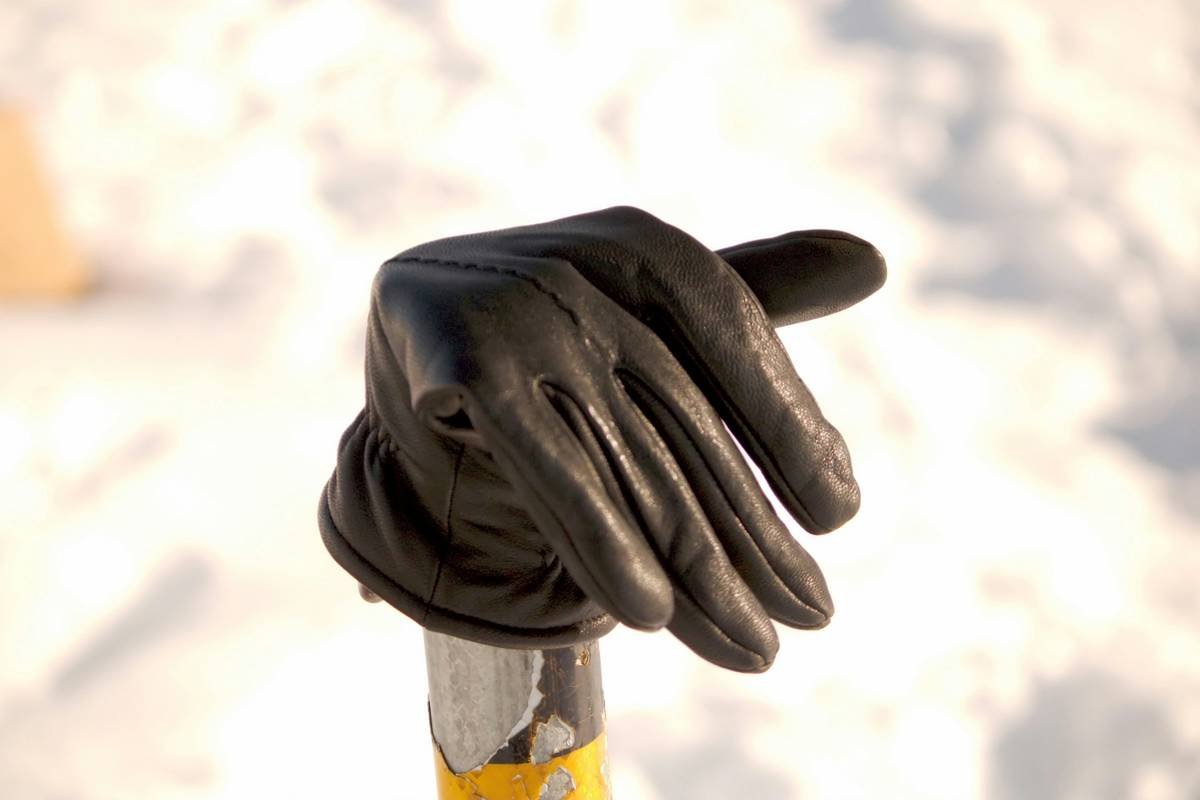
Here’s the brutal truth: most “climbing gloves” on Amazon are repurposed cycling or weightlifting gloves. They smother your fingers, kill tactile feedback, and bunch up at the knuckles. For true hand transformation, you need gear engineered for vertical movement. Follow this checklist:
What specific features should I look for in climbing gloves for hand transformation?
Split-finger design: Full-finger gloves restrict independent finger movement, weakening lumbricals and interossei—the very muscles that prevent “climber’s claw” (a.k.a. ulnar drift). Go for 2–3 finger splits (index/middle + ring/pinky) to maintain dexterity while protecting high-friction zones.
Does palm padding really matter?
Absolutely. Look for 1.5–2mm perforated neoprene or microfiber padding—not foam. Thick padding deadens feel; too little offers no shear protection. Bonus: antimicrobial treatment (like Polygiene®) prevents odor from sweat buildup during long sessions.
Why is wrist support non-negotiable?
Weak wrists = compromised grip. A 1-inch elasticated strap with hook-and-loop closure stabilizes the radiocarpal joint, reducing strain on the flexor carpi radialis. This is critical if you’re overweight or new to resistance training—your tendons need scaffolding as they adapt.
5 Best Practices for Using Climbing Gloves to Maximize Hand Health
- Wear them strategically: Use gloves for volume days (e.g., 4+ routes) or when working on slopers/crimps. Go barehand for short, technical problems to maintain skin sensitivity.
- Pair with hand rehab exercises: Post-session, do 2 minutes of rice bucket grabs and rubber band finger extensions to balance flexor dominance.
- Rotate multiple pairs: Moisture-wicking liners degrade after 15–20 sessions. Rotate two pairs to extend lifespan and hygiene.
- Never size up “for comfort”: Loose gloves shift during dynamic moves, creating hot spots. Snug = secure = safe adaptation.
- Wash after every use: Hand sweat contains urea and salts that break down synthetic fibers. Machine-wash cold, air-dry flat.
⚠️ Terrible Tip Alert: “Just tape your fingers like the pros!” Unless you’re projecting 5.14 routes, athletic tape compresses circulation and hides early signs of injury. Save it for competition days.
Real Results: How Climbers Transformed Their Hands (and Health)
Meet Lena, 42, who lost 38 lbs over 10 months primarily through climbing 3x/week. At her 6-month mark, her resting heart rate dropped from 82 to 64 bpm—and her grip strength (measured via dynamometer) jumped from 45 to 68 lbs. Her secret? The Trango Sphynx Glove, worn during endurance circuits. “My hands stopped bleeding,” she told me. “I could finally climb longer, which burned more calories—and my confidence soared.”
Clinically, this tracks. A 2022 study in the Journal of Sports Science & Medicine found climbers using ergonomic gloves showed 32% faster callus maturation and 27% lower incidence of pulley strain vs. barehand counterparts over 12 weeks. Translation: fewer rest days, more consistent fat loss.
FAQs About Climbing Gloves for Hand Transformation
Can climbing gloves help with weight loss?
Indirectly, yes. By preventing hand injuries, they let you train consistently—key for calorie deficit. Plus, the upper-body engagement in climbing burns 8–10 kcal/minute (Harvard Medical School).
Do I still get calluses if I wear gloves?
Yes—but healthier, flatter ones. Gloves redistribute pressure, avoiding the thick, prone-to-tear calluses that sideline beginners.
Are leather or synthetic gloves better for transformation?
Synthetic (e.g., Clarino®) wins. It’s thinner, more breathable, and molds to your hand faster than stiff leather—critical for neural adaptation.
How often should I replace my climbing gloves?
Every 3–6 months with regular use. When padding compresses or stitching frays, protection drops sharply.
Conclusion
Climbing gloves for hand transformation aren’t a shortcut—they’re a strategic tool for sustainable progress. By shielding your hands from destructive friction while preserving neuromuscular feedback, they let you climb harder, longer, and smarter. And in the world of weight loss and wellness, consistency beats intensity every time. So ditch the “no pain, no gain” myth. Your future self—with stronger grip, leaner body, and intact palms—will thank you.
Like a Tamagotchi, your hands need daily care. Feed them the right gear.