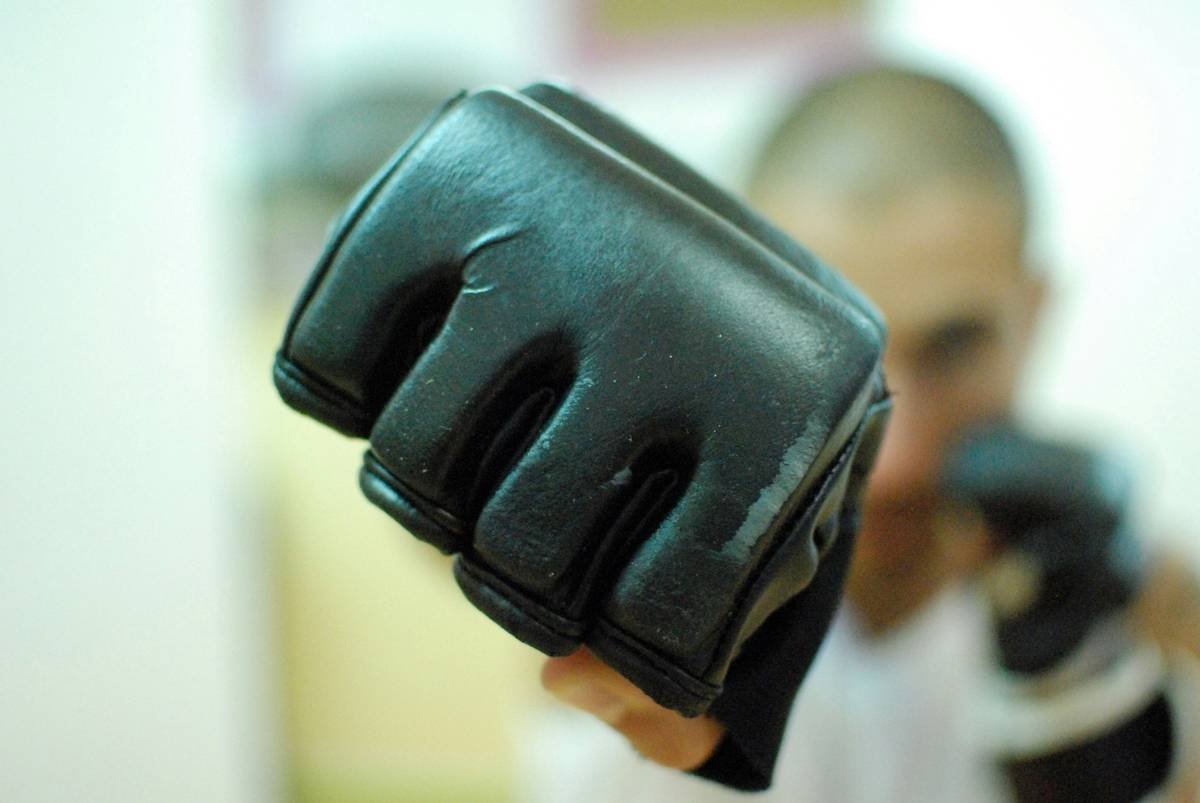
Ever tried climbing stairs after a long day of sitting at your desk and felt like your hands couldn’t hold onto the railing? Yeah, me too. Now, imagine trying to lift weights or do pull-ups when your grip feels like overcooked spaghetti. Not fun, right?
In this post, we’ll dig into how grip gloves for flexibility can be a secret weapon in your weight loss journey—yes, even if you’re just starting out. You’ll learn why grip strength matters, how these gloves work magic, and which mistakes you *don’t* want to make. (Spoiler: Using them as fashion accessories is one.) Let’s get sweaty!
Table of Contents
- Why Grip Strength Matters for Flexibility & Fat Loss
- How to Use Grip Gloves for Maximum Results
- Best Practices for Choosing & Wearing Grip Gloves
- Real-Life Success Stories from Climbers Who Crushed Their Goals
- FAQs About Grip Gloves for Flexibility
Key Takeaways
- Grip strength is often overlooked but critical for overall fitness and flexibility.
- Grip gloves help improve flexibility by reducing strain on fingers and wrists during workouts.
- Choosing the right pair involves understanding material quality and fit.
- Avoid using grip gloves incorrectly—they won’t magically fix poor form.
- Consistent use leads to measurable improvements in performance and fat loss.
Why Grip Strength Matters for Flexibility & Fat Loss
“Optimist You:” “I’ve got my cardio down; I’m golden!”
“Grumpy You:” “Ugh, have you tried holding a plank without your forearms screaming?”
Here’s the thing: most people focus so much on squats, crunches, or burpees that they completely ignore their grip strength. Guess what happens when your grip gives out halfway through your workout? You either quit early or switch to subpar exercises that aren’t nearly as effective.
Grip strength isn’t just about holding objects—it’s connected to muscle engagement throughout your body. When your hands fatigue, your core stability tanks, and suddenly those perfect deadlifts turn into wobbly messes.
Research shows that people with better grip strength tend to have improved cardiovascular health, more endurance, and enhanced flexibility. Adding grip gloves for flexibility ensures you won’t drop the metaphorical ball during tough sets.
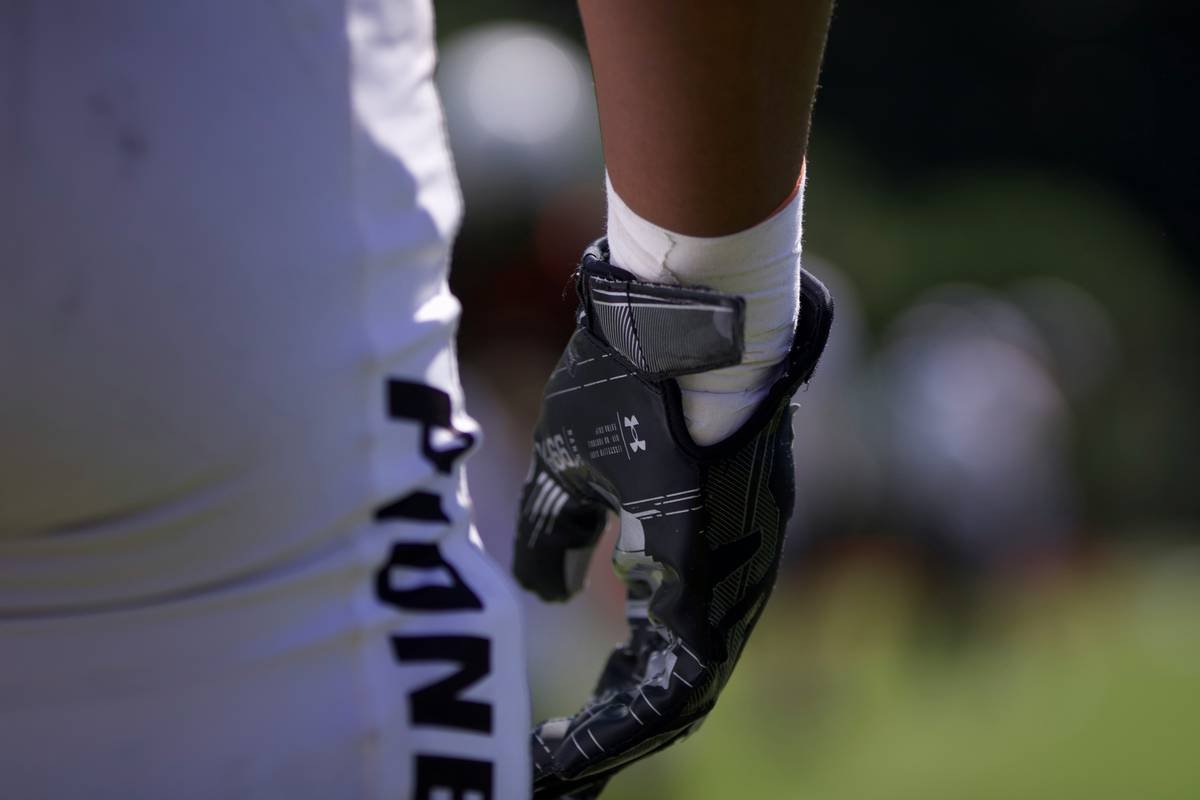
How to Use Grip Gloves for Maximum Results
Let’s talk strategy because tossing on any random pair of gloves won’t cut it. Follow these steps:
- Pick the Right Glove Size: Too tight, and you’ll cut off circulation faster than caffeine withdrawal. Too loose, and they’ll slide around like socks on a freshly mopped floor.
- Pair Them With Compound Movements: Pull-ups, rows, kettlebell swings—all these benefit massively from good hand support.
- Don’t Skip Warm-Ups: Even gloves can’t save stiff muscles! Stretch your forearms and shoulders before diving in.
- Mix It Up: Rotate between gloves-on and gloves-off sessions to prevent dependency and encourage natural strength gains.
And here’s my confessional fail: Once, I wore grip gloves during an entire yoga session thinking they’d give me extra stability. Big mistake. My instructor politely suggested I leave them in my gym bag next time. Lesson learned: Know where these tools fit best!
Best Practices for Choosing & Wearing Grip Gloves
Pro Tip Alert: Not all gloves are created equal. Here’s how to pick winners:
- Breathable Fabric: Say goodbye to sweaty palms ruining your flow. Look for gloves made with moisture-wicking materials.
- Durable Padding: Go for gloves that cushion your palms but still let you feel the barbell. Balance is key.
- Adjustable Closures: Velcro straps? Yes, please. They keep everything snug and secure.
Rant Section: Seriously, who designs gloves with slippery palms? If a barbell flies out of your hands mid-clean-and-jerk, thank that cheap glove manufacturer later. Spend a few extra bucks for quality—your safety depends on it.
Real-Life Success Stories from Climbers Who Crushed Their Goals
Meet Sarah, a mom of two who struggled with flexibility due to years of desk jobs and stress. After incorporating grip gloves for flexibility into her HIIT routine, she noticed significant gains—not just in her upper body strength but also in her shoulder mobility.
Another story comes from Kevin, a rock climber whose weak grip almost sidelined his passion. He swapped his old gloves for high-performance ones designed specifically for climbers. The result? A personal record climb he never thought possible.
Sounds dramatic, right? But when you find gear that actually works, progress feels less like a grind and more like gliding through peanut butter… deliciously satisfying.
FAQs About Grip Gloves for Flexibility
Q: Can beginners benefit from grip gloves?
Absolutely! They reduce the risk of injury and help build confidence during challenging workouts.
Q: Do grip gloves replace the need for wrist wraps?
Nope. Wrist wraps stabilize your joints, while grip gloves enhance control and comfort. Both serve different purposes.
Q: Are there any downsides to using grip gloves?
Only if misused. Relying solely on gloves instead of developing natural grip strength could backfire long-term. Use them wisely!
Conclusion
In summary, investing in grip gloves for flexibility pays off big time—whether you’re aiming for stronger lifts, better posture, or simply surviving daily tasks pain-free. By following our guide, avoiding rookie mistakes, and maintaining consistency, you’ll see incredible progress over time.
So go ahead, channel your inner climber, and crush your goals—one strong grip at a time. And remember…
“Like Tetris blocks,
Your efforts stack up fast.
Grip hard, aim true.”