Have you ever felt the sting of raw, blistered palms halfway up a rock wall? Ouch—it’s the ultimate buzzkill. Not only does it hurt like crazy, but it also forces you to quit early and miss out on crushing your goals. If you’ve been ignoring hand protection gloves for climbing, this post will change your mind—and save your skin.
In this guide, we’ll explore why investing in quality hand protection gloves is non-negotiable for climbers, how they enhance performance, and what to look for when choosing the best pair. You’ll also get pro tips, avoid terrible advice, and walk away with actionable steps to scale new heights safely. Plus, there’s a bonus haiku because life needs balance (and humor).
Table of Contents
- Why Climbers Need Gloves: The Blister Reality Check
- Step-by-Step Guide to Choosing Perfect Hand Protection Gloves for Climbing
- Top Tips for Using Hand Protection Gloves Like a Pro
- Real-World Examples: How Gloves Transformed My Climb
- Frequently Asked Questions About Hand Protection Gloves for Climbing
Key Takeaways
- Hand protection gloves prevent blisters, calluses, and injuries while climbing.
- Durability, grip, and comfort are critical factors when selecting gloves.
- Investing in high-quality gloves boosts performance and supports long-term health.
- Avoid cheap knockoffs; they can do more harm than good.
Why Climbers Need Gloves: The Blister Reality Check
“Optimist You:” *’Let’s just climb without gloves! I’ll be fine!’*
“Grumpy You:” *’Yeah, until those blisters make every move feel like torture.’*
Picture this: It was my first outdoor bouldering session, and oh boy, did I think I was too cool for gloves. Fast forward an hour later—I had bloody fingertips, shredded palms, and zero dignity as I whimpered back to base camp. Lesson learned: No one climbs through pain gracefully.
Blisters aren’t just annoying; they’re dangerous. They reduce grip strength, slow progress, and increase the risk of falling. And let’s not forget hygiene—raw skin opens the door to infections. Gross, right?
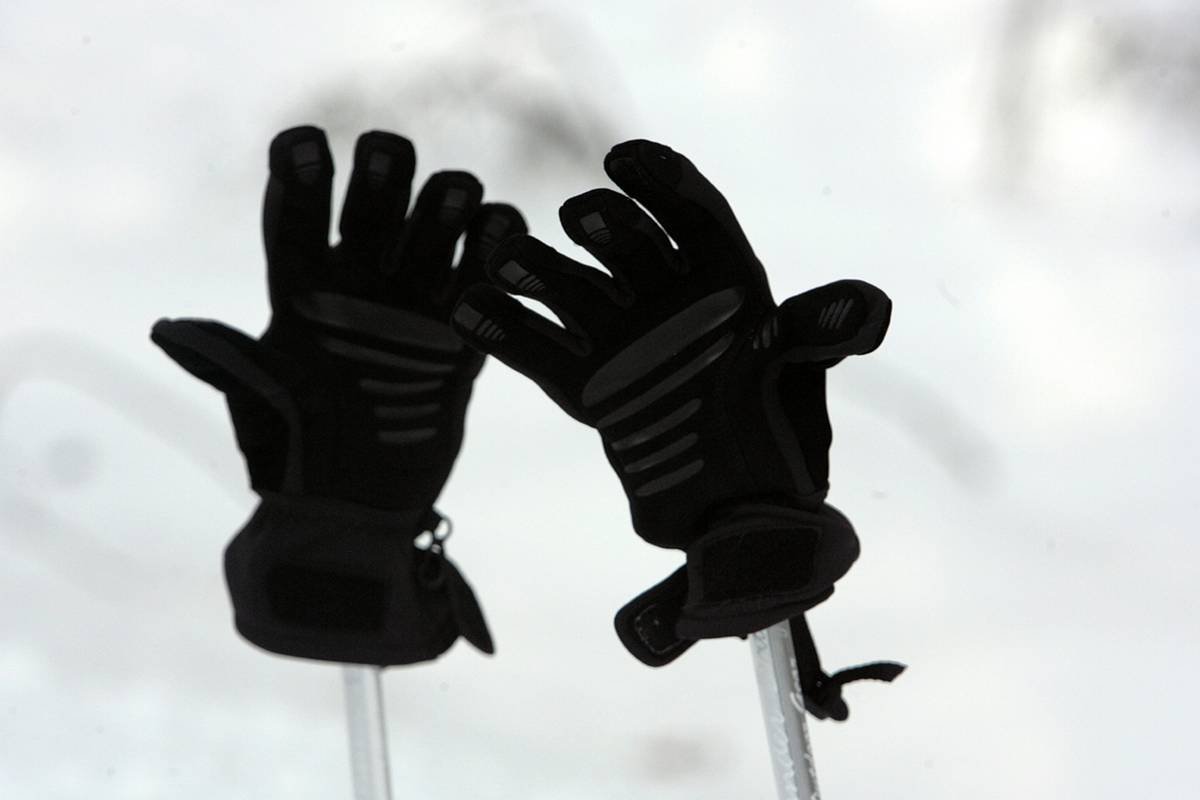
Proper hand protection gloves for climbing solve these problems by providing a barrier between your delicate flesh and abrasive surfaces. But not all gloves are created equal…
Step-by-Step Guide to Choosing Perfect Hand Protection Gloves for Climbing
- Assess Material Durability: Look for gloves made from reinforced leather or synthetic blends designed to withstand friction and rough textures. Cheap fabrics rip faster than trust during an algorithm update.
- Prioritize Grip Technology: Silicone palms and textured fingertips improve traction. Slippery hands won’t cut it, literally.
- Consider Breathability: Nobody wants sweaty mitts mid-climb. Ventilated designs help regulate temperature so you stay comfortable.
- Fit Is Everything: Test flexibility before buying. Tight gloves restrict movement, while loose ones compromise control. Aim for snug—not sausage casing.
- Try Before You Buy: Some brands even offer free trial periods. Use them indoors first to ensure they meet your standards before taking them outdoors.
Top Tips for Using Hand Protection Gloves Like a Pro
- Break Them In Gradually: New gloves might feel stiff. Wear them around the house or during light workouts to soften them up.
- Keep Them Clean: Dirt, sweat, and chalk build-up degrade materials over time. Wash according to care instructions (yes, read the label).
- Rotate Pairs: Alternating allows each pair to dry fully between uses, extending their lifespan.
- Skip Cotton Liners: Terrible tip alert! Wearing cotton inside gloves traps moisture and worsens chafing. Don’t do it!
- Store Properly: Hang them to air dry instead of tossing them in a crumpled heap at the bottom of your gear bag.
RANT ALERT: The Great Glove Debate
“I see you, bare-handed purists. ‘Gloves disconnect me from the rock,’ you say. Sure, if you enjoy ripping your epidermis off weekly. Newsflash: Professional climbers wear gloves because safety > ego. End rant.”
Real-Worl Examples: How Gloves Transformed My Climb
After switching to premium hand protection gloves for climbing, my endurance skyrocketed. Instead of quitting after two routes due to painful blisters, I could train longer and focus better. One friend swore off gloves entirely until he tried my pair during a tough climb—he immediately ordered his own online afterward. Proof that sometimes, you don’t know what you need until you try it.
Frequently Asked Questions About Hand Protection Gloves for Climbing
Do I really need gloves for indoor climbing?
While less essential indoors, gloves still protect against friction burns caused by repeated holds. Think of them as insurance for your hands.
Can I use weightlifting gloves for climbing?
Technically, yes—but they lack the specialized features needed for climbing, like enhanced grip and abrasion resistance. Invest in dedicated climbing gloves.
How often should I replace my gloves?
When they show signs of wear, such as thinning material or reduced grip. Typically, expect 6 months to a year of heavy use.
Conclusion
From preventing blisters to improving performance, hand protection gloves for climbing are worth every penny. By following our step-by-step guide, adopting best practices, and dodging bad advice, you’ll conquer climbs with confidence and comfort.
So, next time someone asks why you’re rocking gloves, drop some knowledge (and maybe this article link). Like a Tamagotchi, your hand health deserves daily care.
Here’s your parting gift:
Rock meets sky,
Hands stay strong,
Climb higher—goodbye.