“Ever felt your grip falter mid-climb, not because of exhaustion but because you weren’t protecting your hands properly? Yeah, us too.”
If you’re on a weight loss journey and incorporating rock climbing into your routine (smart move!), you know how crucial hand protection is. But have you considered hand shield risk assessments? These often-neglected evaluations can not only keep your mitts in top form but also enhance your performance—and ultimately, your fitness goals.
In this post, we’ll break down why hand shield risk assessments are essential, walk through a step-by-step guide to perform one, share tips for selecting the right climbing gloves, and highlight success stories. By the end, you’ll think twice before skimping on this critical aspect of climbing safety.
Table of Contents
- Why Hand Shield Risk Assessments Matter
- Step-by-Step Guide to Perform an Assessment
- Tips for Selecting the Right Climbing Gloves
- Real-World Success Stories
- Frequently Asked Questions
Key Takeaways
- Performing hand shield risk assessments minimizes injuries that could derail your climbing progress.
- The right climbing gloves provide comfort, prevent blisters, and improve grip strength during workouts.
- Hand assessments aren’t just for climbers; they’re vital for anyone using their hands intensively for exercise or manual labor.
Why Hand Shield Risk Assessments Matter
Let’s get real here—climbing isn’t exactly kind to our hands. From calluses splitting open like tiny volcanoes erupting to blisters forming under sweaty palms, our digits take a beating. And let’s not forget about tendonitis lurking like a shady character in a dark alley.
I once spent weeks training for a climbing competition without realizing my grips were failing me due to improper glove sizing. Spoiler alert: I didn’t win anything except a gnarly case of wrist pain. Brutal honesty time—ignoring hand care is like ignoring your car’s oil change light. Disaster looms.
That’s where hand shield risk assessments come in. They act as your hand’s personal bodyguard against harm. Whether it’s checking for proper circulation while wearing gloves, evaluating skin integrity, or assessing muscle fatigue patterns, these checks ensure your hands stay strong and supple.
Step-by-Step Guide to Perform an Assessment
Step 1: Inspect Your Skin
Optimist You: “Skin looks fine!”
Grumpy You: “Oh no, honey, those blisters have names.”
Treat your hands like royalty by scanning them thoroughly. Look out for:
- Redness around pressure points
- Blisters or cracks
- Dry patches that need moisturizing
Step 2: Test Grip Strength
Try squeezing something soft—not too hard! If you notice discomfort or weakness, it might signal overuse.
Step 3: Check Glove Fit
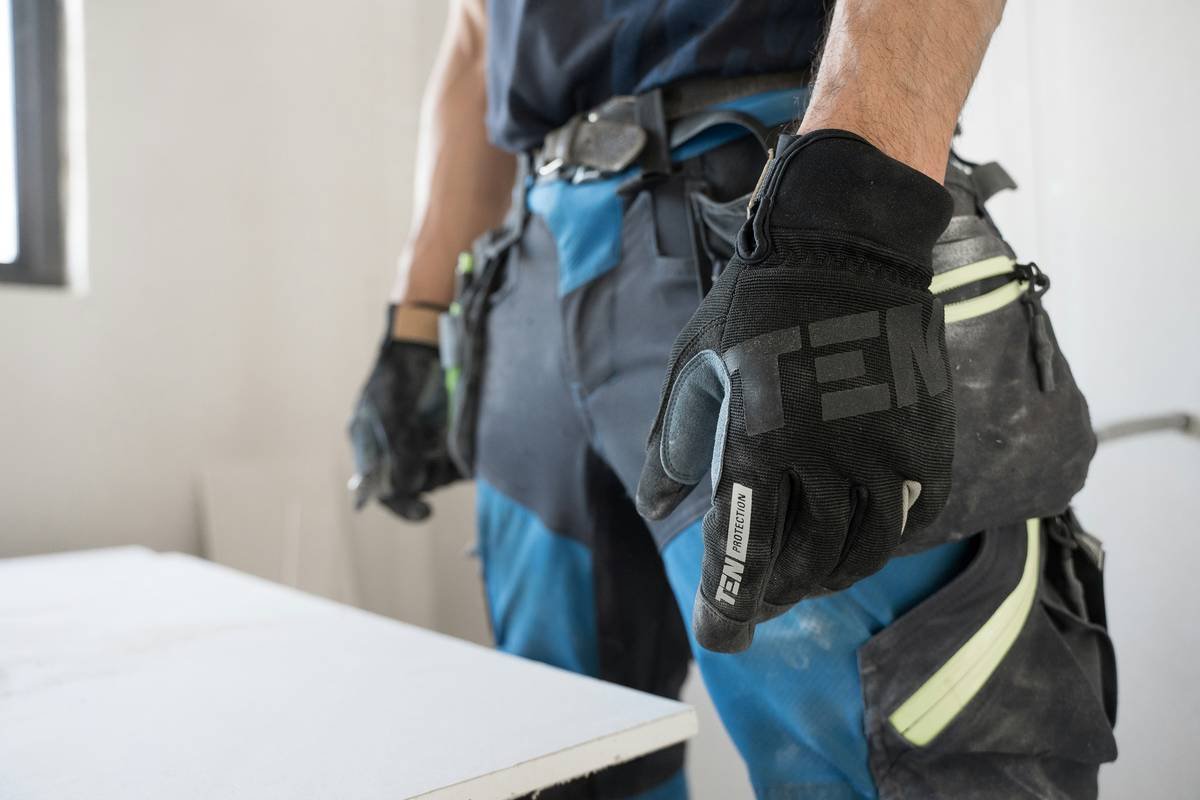
This part requires brutal honesty. Are your gloves tighter than your favorite skinny jeans from high school? Time for an upgrade. A well-fitted glove should feel snug yet allow full range of motion.
Step 4: Monitor Pain Levels
Note any sharp pains or persistent soreness. Remember, pain = STOP! Don’t push through unless you want permanent damage.
Tips for Selecting the Right Climbing Gloves
Climbing gloves can make or break your experience. Here are some chef’s-kiss-worthy tips:
- Prioritize Breathability: Go for materials like mesh panels if you hate swampy hands.
- Check Padding Thickness: Too much padding = poor grip; too little = raw fingers.
- Avoid Cheap Knockoffs: Terrible tip incoming: Yes, buying knockoff gloves saves money—but they’ll fall apart faster than trust at a potluck when everyone brings dessert.
Real-World Success Stories
Hear from Sarah T., who lost 30 pounds integrating climbing into her routine:
“Before discovering hand shield risk assessments, I constantly dealt with torn calluses. Now, thanks to regular evaluations and investing in quality gloves, I’ve been injury-free for months and crushing my fitness goals!”
Sounds inspiring, doesn’t it? Like switching from flip phones to smartphones—it changes everything.
Frequently Asked Questions
Do I Really Need Gloves for Indoor Climbing?
Short answer: Maybe. Long answer: Unless you enjoy palm burns and blisters, yes.
How Often Should I Do a Hand Shield Risk Assessment?
Once a week is ideal. Treat it like brushing your teeth—a non-negotiable habit.
What’s the Worst Thing That Could Happen Without These Assessments?
You could develop serious conditions like tendonitis, carpal tunnel syndrome, or even fractures. Ouch.
Conclusion
We’ve covered the importance of hand shield risk assessments, walked through a detailed step-by-step process, shared actionable tips, and highlighted success stories to prove their value. Your hands work hard—they deserve TLC.
So, next time you head out to conquer new heights, remember: Protect those precious paws. After all, life’s better with happy hands. 🙌
And finally…
Rope burns fade quickly,
Grip lasts forever, though,
Care for your hands now.